

Keysight Technologies N1912A
P-Series Dual Channel Power Meter
Rent or Lease
Keysight Technologies - N1912A
The Keysight N1912A P-Series dual channel power meter provides peak, peak-to-average ratio, average power, rise time, fall time NS Pulse width measurements
N1912A Product Highlights
• 30 MHz video bandwidth
• Single shot real time capture at 100 Msample/s per second
• Key Measurements: - peak, average, peak-to-average ratio, rise time, fall time and pulse width
• 22 Predefined formats: WiMAX, DME, HSDPA, etc.
• One screen view for pulse measurement analysis: Auto Scale, Auto Gate, Rise/Fall Time, Duty Cycle, etc.
• Internal Zeroing and Calibration while connecting to the DUT
• A BenchVue software license (BV0007B) is now included with your instrument. BenchVue makes it simple to connect, control instruments, and automate test sequences.
Keysight Technologies & TRS-RenTelco
TRS-RenTelco is a proud partner of Keysight Technologies and offers a wide range of rental, purchase and leasing solutions designed specifically to meet the evolving needs of the electronic testing industry. Our close relationship with Keysight Technologies allows us to ensure we have the right Meters solution for your job.
Renting Meters
With TRS-RenTelco renting Meters equipment has never been easier. Enjoy same-day shipping, lease, and finance options on our inventory of over 5000 electronic testing equipment rentals. As one of North America’s largest test equipment rental providers, it is our mission to support the endeavors of our clients no matter how big or small with reliable expertise, excellent customer service, accuracy, and speed.
Links to Additional Information
Keysight Technologies Products from TRS-RenTelco
- Configurations
- Resources
- FAQsAI
Base Model
Standard Rental Accessories*
* Leased or Buy Used product accessories will be confirmed with quote.
-
Cord Power
Qty: 1 -
Cable USB-A - USB-MiniB
Qty: 1 -
USB Drive with Software and Manuals
Qty: 1
*This item has already been added to your cart. Check your cart for quantity and availability.
--, H01
See Configuration Details
-
H01
Video output
Standard Rental Accessories*
* Leased or Buy Used product accessories will be confirmed with quote.
-
Cord Power
Qty: 1 -
Cable USB-A - USB-MiniB
Qty: 1 -
USB Drive with Software and Manuals
Qty: 1
*This item has already been added to your cart. Check your cart for quantity and availability.
--, 003
See Configuration Details
-
003
ONLY Rear panel sensor and power ref connectors
Standard Rental Accessories*
* Leased or Buy Used product accessories will be confirmed with quote.
-
Cord Power
Qty: 1 -
Cable USB-A - USB-MiniB
Qty: 1 -
USB Drive with Software and Manuals
Qty: 1
*This item has already been added to your cart. Check your cart for quantity and availability.

User Manual - Keysight Technologies N1911A & N1912A series
Datasheet - Keysight Technologies N1911A
Content is AI-generated. Verify critical details with manufacturer-provided resources.
What type of instrument is the Keysight N1912A and how many channels does it support?
The N1912A is a dual-channel P-Series power meter designed for average, peak, and peak-to-average ratio power measurements. It also provides time parameter measurements including pulse rise time, fall time, pulse width, time-to-positive occurrence, and time-to-negative occurrence, making it a versatile tool for pulsed and modulated signal characterization.
What power sensors are compatible with the Keysight N1912A?
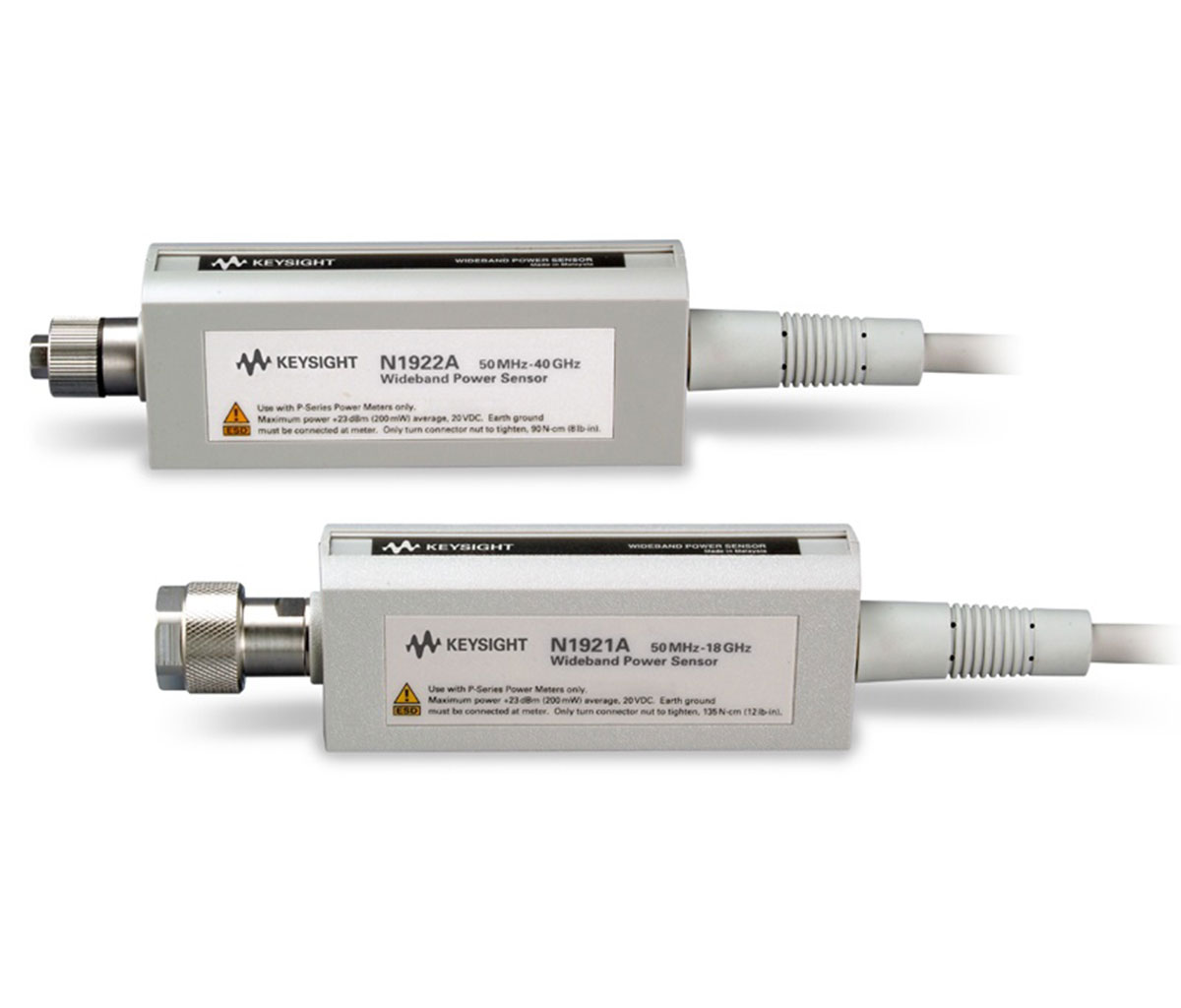
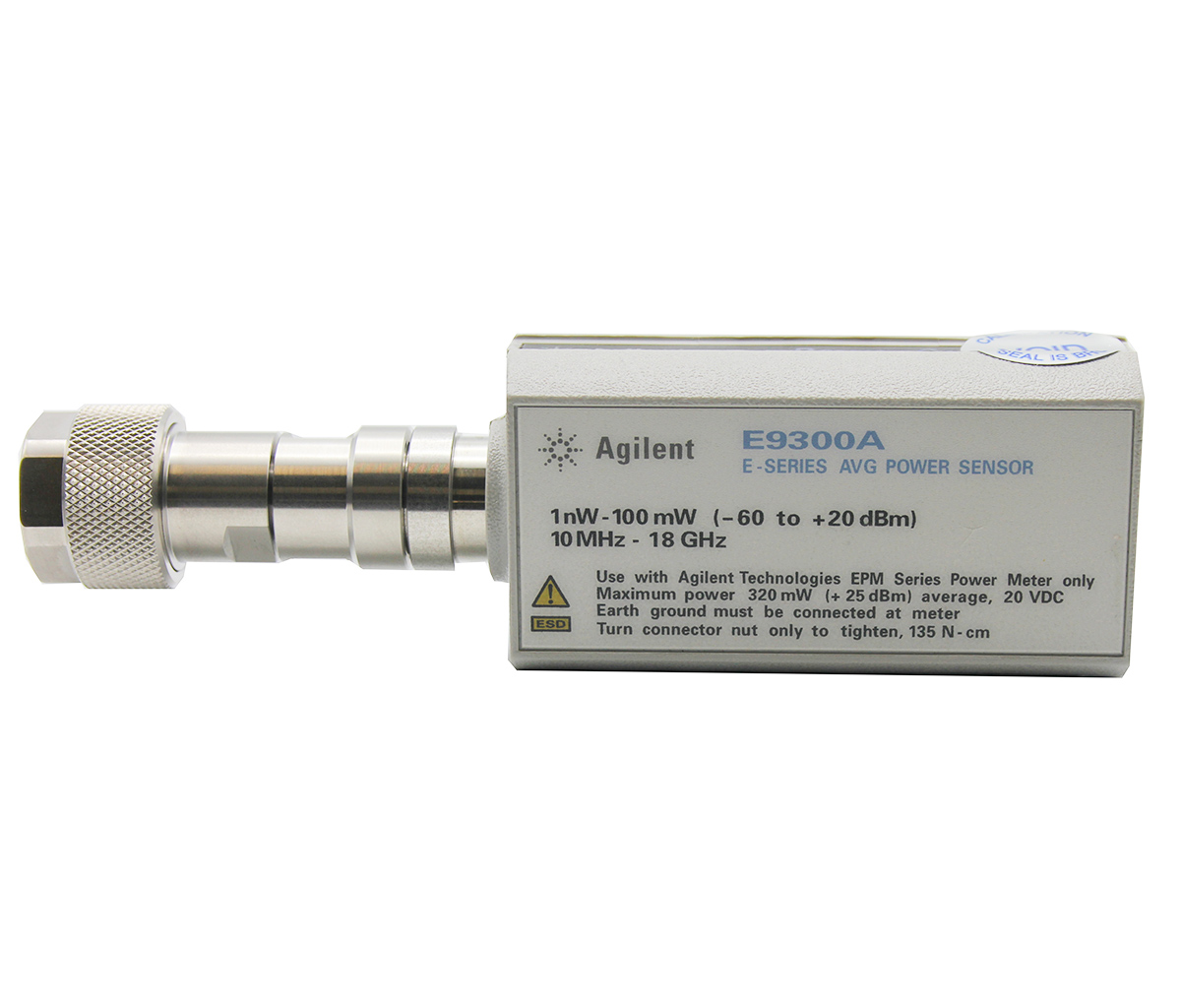
The N1912A is compatible with P-Series wideband power sensors (N1921A for 50 MHz to 18 GHz and N1922A for 50 MHz to 40 GHz), as well as E-Series, 8480 Series, and N8480 Series sensors. Compatibility with 8480 and E-Series sensors is available in firmware Ax.03.01 and above, while N8480 support requires firmware A.05.00 or later.
What is the dynamic range and sampling rate of the N1912A system?
When paired with P-Series sensors, the N1912A system covers a dynamic range of -35 dBm to +20 dBm at frequencies of 500 MHz and above, or -30 dBm to +20 dBm from 50 to 500 MHz. The maximum continuous sampling rate is 100 Msamples/sec, with a video bandwidth of 30 MHz or greater and a single-shot bandwidth of 30 MHz or greater.
What is the rise time and pulse measurement capability of the N1912A?
The N1912A system achieves a rise time and fall time of 13 ns or less for signal frequencies at or above 500 MHz, with overshoot of 5% or less when using the Off video bandwidth setting. The minimum recommended pulse width for meaningful measurements is 50 ns, and the maximum pulse repetition rate is 10 MHz based on 10 samples per period.
What video bandwidth filter settings does the N1912A provide?
The N1912A offers four video bandwidth settings: Low (5 MHz), Medium (15 MHz), High (30 MHz), and Off. These filters are corrected for optimal flatness rather than being simple 3 dB bandwidth filters. The Off setting provides the warranted rise time and fall time specification and is recommended for minimizing overshoot on pulse signals.
Does the N1912A have a built-in power reference calibrator?
Yes, the N1912A includes a built-in 1 mW (0.0 dBm) power reference at a nominal frequency of 50 MHz. It is factory set to plus or minus 0.4% accuracy traceable to the National Physical Laboratory, with a two-year accuracy of plus or minus 0.4% at 25 plus or minus 10 degrees C, or plus or minus 1.2% over the full 0 to 55 degrees C operating range.
What remote connectivity does the N1912A offer?
The N1912A is an LXI Class-C compliant instrument featuring GPIB, USB, and LAN interfaces. It includes an integrated web browser interface for convenient instrument configuration without additional software. The instrument is also supported by Keysight BenchVue software with the BV0007B Power Meter/Sensor Control and Analysis app for data logging and visualization.
What is the basic accuracy of the N1912A for average power measurements?
The basic accuracy for average power measurements depends on the sensor used. With the N1921A sensor, it is plus or minus 0.2 dB or 4.5%, and with the N1922A sensor it is plus or minus 0.3 dB or 6.7%. This accuracy is valid over -15 to +20 dBm and frequencies from 0.5 to 10 GHz (N1921A) or 0.5 to 40 GHz (N1922A), with averaging set to 32 in free run mode.